



Your Cart Is Empty!

Protein for Vegetarians in India: How to Get Enough
A typical Indian vegetarian day provides about 40–45g of protein, most of it from roti, rice and dal. That is well short of the 60–90g an adult over 40 needs, and it is low in leucine, the amino acid that tells muscle to build. The fix is a concentrated, high-quality vegetarian protein at the meal where you get the least. One VaraPace shot gives you 24g of milk-derived BLG protein and 3.89g of leucine in 110ml.
You eat dal every day. You have curd with lunch and paneer twice a week. You assume protein is covered. For most vegetarians in India, it is not, and the reason is not what you eat. It is how much protein those foods actually carry.
Key facts
- 39% of Indian adults describe themselves as vegetarian.
- In many Indian diets, cereals such as wheat and rice supply 57–70% of all protein.
- Cereal protein scores poorly for quality: about 0.4–0.6 on the standard scale, against about 1.2 for milk protein.
- Plant proteins are lower in leucine than milk proteins, so each gram does less to trigger muscle building.
- It takes 7 rotis, 3 katoris of dal or 130g of paneer to match the 24g of protein in one VaraPace shot.
- VaraPace is vegetarian. Its protein, BLG, comes from milk.
Why vegetarian diets fall short
The numbers are small. A roti has about 3.5g of protein. A katori of dal has about 8g. A bowl of curd has about 4g. These are good foods, but they are mostly carbohydrate.
The protein is lower quality. Scientists score protein by how well it is digested and how complete its amino acids are. Milk protein scores about 1.2. Lentils score about 0.75, cooked rice 0.60 and wheat under 0.5. A gram of protein from roti does roughly half the work of a gram from milk.
The leucine is missing. Muscle switches on when a meal delivers enough leucine, about 3.5g after 50. Plant proteins carry less of it. A dal-and-roti meal rarely gets there. See Leucine: The Amino Acid That Decides Whether Your Protein Works.
A typical day, counted
- Breakfast: two idlis or parathas with tea. About 6–8g.
- Lunch: two rotis, dal, sabzi, curd. About 18–20g.
- Evening: tea and a snack. About 2–3g.
- Dinner: rice or roti, dal, sabzi. About 14–16g.
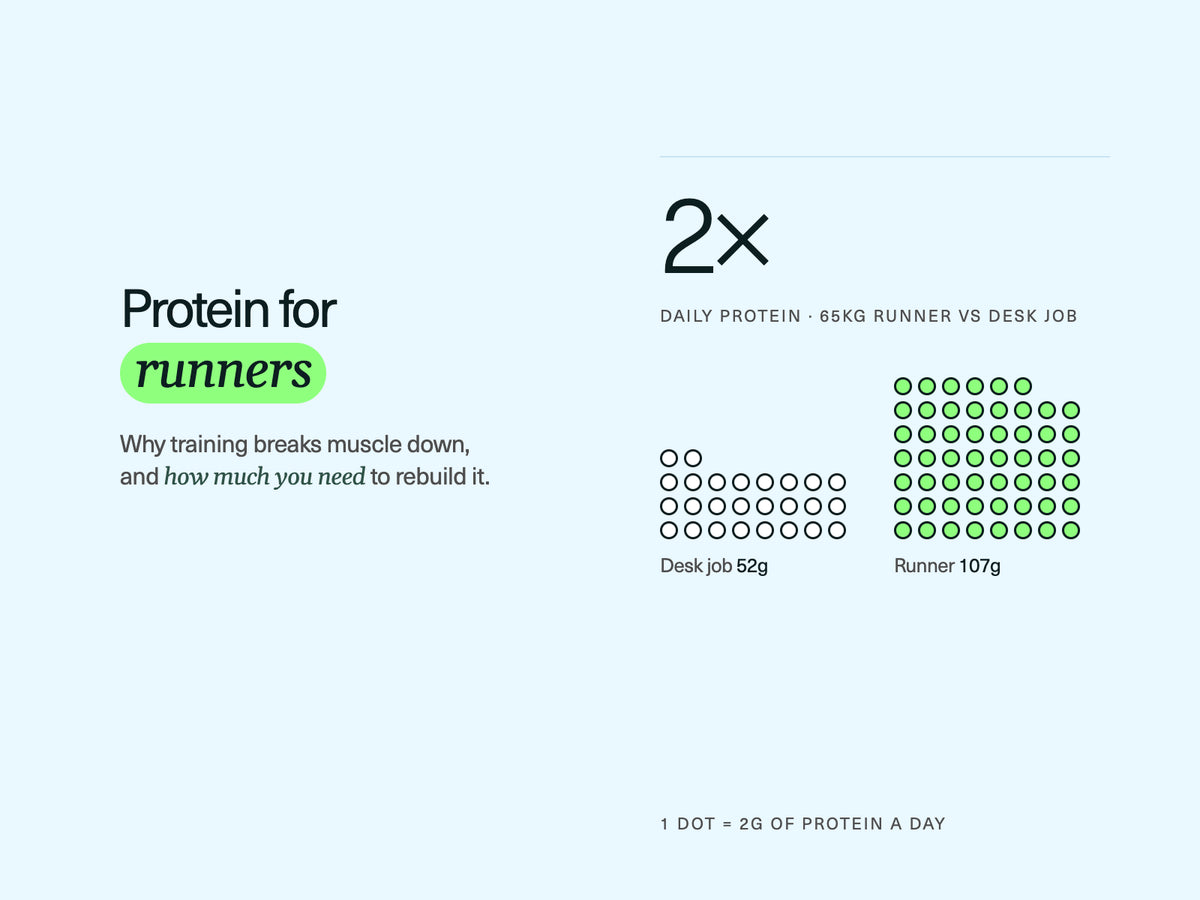
Total: about 40–45g. A 65kg adult in their 40s needs 65–78g. In their 60s, 78–98g. See How Much Protein Do You Need After 40?
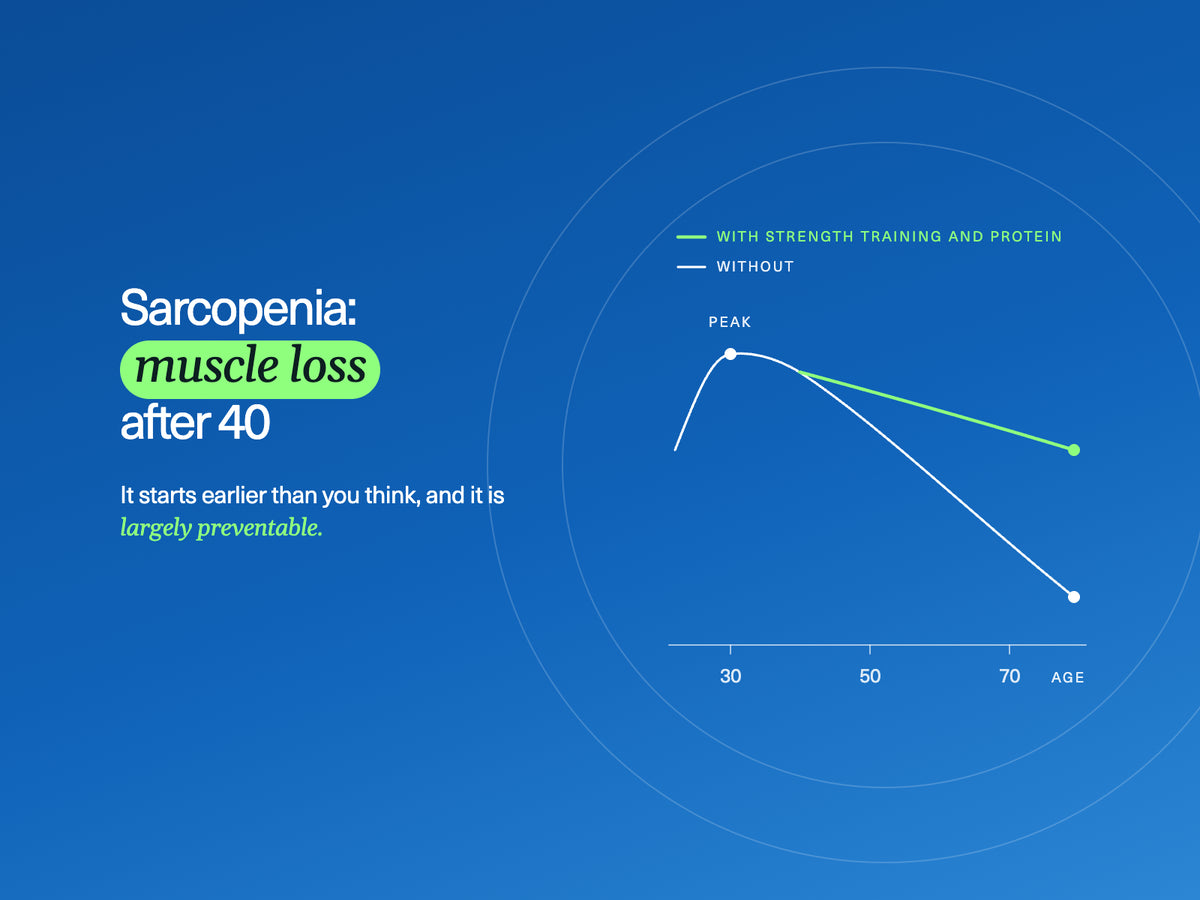
That gap, every day for years, is how muscle is lost without anyone noticing.
The best vegetarian protein sources
| Food | Protein | What it takes to reach 24g |
|---|---|---|
| Roti | about 3.5g each | 7 rotis |
| Cooked dal | about 8g a katori | 3 katoris |
| Curd | about 4g per 100g | 600g |
| Paneer | about 18g per 100g | 130g |
| Milk | about 3.3g per 100ml | 725ml |
| VaraPace | 24g a shot | one 110ml shot |
Paneer, milk and curd are the strongest everyday options, because milk protein is the best-quality protein a vegetarian can eat. The difficulty is volume: nobody drinks three glasses of milk with breakfast.

Why vegetarians choose VaraPace
VaraPace takes the best protein in milk and concentrates it. BLG is the single most leucine-rich protein in whey, purified and ready to drink.
- 24g of protein in 110ml. As much as 130g of paneer, with none of the fat.
- 3.89g of leucine. Enough to switch on muscle building in one serving, which a vegetarian meal almost never does.
- 100% vegetarian. Milk-derived, with the green vegetarian mark.
- Zero lactose. The protein from milk without the part that bloats you.
- 98 calories. No fat, sugar or carbs. Protein only, in a diet that already has plenty of carbohydrate.
- Nothing to mix. Open it and drink it.
VaraPace is rated 4.96 out of 5 by 96 verified buyers.
“Good amount of protein in just a single shot. Excellent product”
Kalpesh G., verified buyer
“Great product and easy on stomach. No bloating.”
Naveen, verified buyer
Is it worth the price?
Yes. For ₹333 a day, one shot adds 24g of the highest-quality vegetarian protein to your diet and closes most of the gap in a few sips. Getting the same from food means 130g of paneer or three more katoris of dal, every single day. See Is VaraPace Worth the Price?
A vegetarian protein plan that works
- One VaraPace shot with breakfast. Your lowest-protein meal becomes your highest.
- Paneer, curd or milk at lunch and dinner, alongside dal.
- Dal with every meal, and combine it with rice or roti to balance the amino acids.
- A second shot on training days, after exercise.
That takes a 40–45g day to 70–90g without changing what you cook.
Try the VaraPace Assorted Pack
Taking it every morning? Subscribe and save up to 10%.
Frequently asked questions
How can vegetarians get enough protein in India?
Add a concentrated, high-quality protein to the meal where you get the least, usually breakfast, and include paneer, curd or milk with dal at other meals. One VaraPace shot provides 24g.
Is dal enough for protein?
No. A katori of cooked dal has about 8g of protein, so it takes three katoris to reach 24g, and dal is low in leucine.
Is VaraPace vegetarian?
Yes. Its protein, BLG, comes from milk. It is not vegan.
Which is the best protein for vegetarians?
Milk protein. It is the highest-quality protein in a vegetarian diet, and BLG is its most leucine-rich part.
Is whey protein vegetarian?
Yes. Whey comes from milk. BLG is a purified whey protein.
I am lactose intolerant. Can I take VaraPace?
Yes. VaraPace has zero lactose. See Lactose-Free Protein in India.
References
- Pew Research Center. Eight-in-ten Indians limit meat in their diets, and four-in-ten consider themselves vegetarian. 2021. Pew Research
- Swaminathan S, et al. Protein intakes in India. Br J Nutr. 2012. Full text
- van Vliet S, Burd NA, van Loon LJC. The skeletal muscle anabolic response to plant- versus animal-based protein consumption. J Nutr. 2015. Abstract
- Gorissen SHM, et al. Protein content and amino acid composition of commercially available plant-based protein isolates. Amino Acids. 2018. PubMed
- Digestible indispensable amino acid scores of common foods. Full text
- ICMR-National Institute of Nutrition. Indian Food Composition Tables. 2017. PDF
This article is for general information and is not medical advice. Speak to your doctor before changing your diet if you have kidney disease or another medical condition.